 Anchor
Crypto Security Blog
Breakdowns of real thefts, plain-language explanations, and practical advice on not losing your coins.
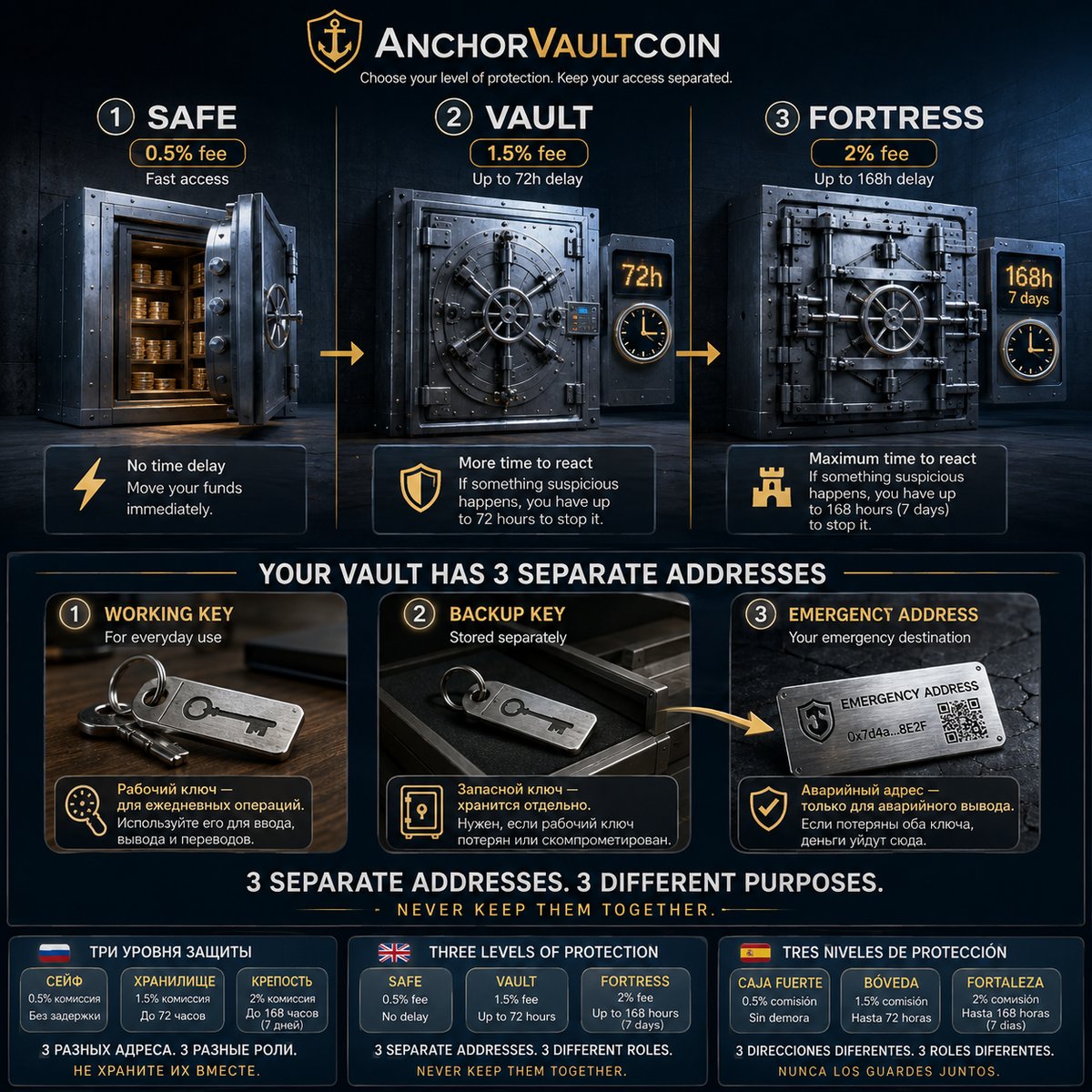
📌 How to Use a Crypto Safe: 3 Addresses and Three Levels of Protection
A simple explanation: which addresses a Safe needs, why they’re separated, and how the SAFE, VAULT, and FORTRESS levels differ.
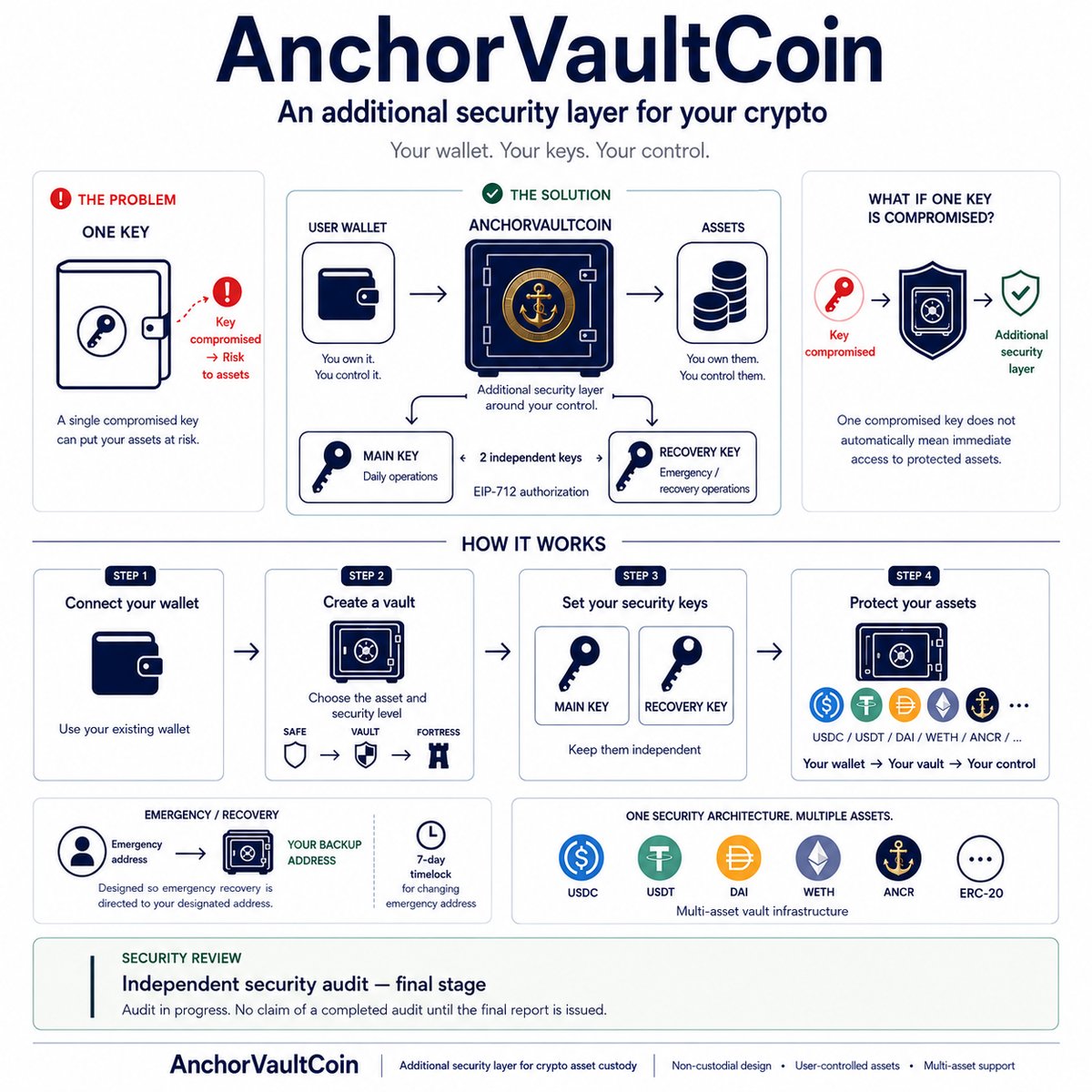
📌 How to Use AnchorVaultCoin: A Step-by-Step Guide for Beginners
In plain terms — how to set up a vault, deposit and withdraw crypto, and what to do if you lose access to your keys.
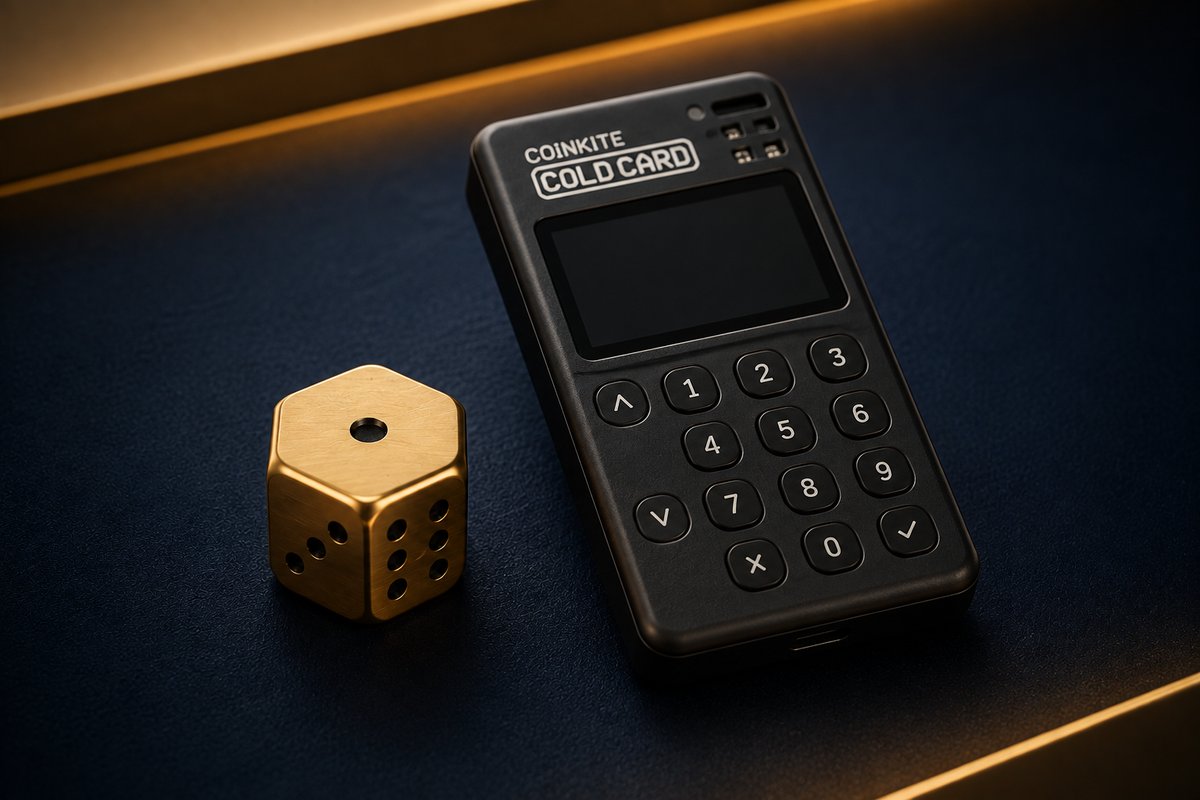
Coldcard Vulnerability: Seed Phrases Were Not Generated Randomly
Coldcard has admitted that some seed phrases were generated predictably rather than at random — and because of this, over $89 million has been drained from accounts that were otherwise set up correctly.
Now, a bit of humor. When you're holding a serious bag of crypto, it's better to keep your backup address somewhere else.
So separate that if your primary wallet is compromised, you'd have to:

What happens if your private key or seed phrase gets stolen? Breaking down AnchorVaultCoin's protections.
The most dangerous situation in an ordinary crypto wallet is simple: if an attacker gets hold of your private key or seed phrase, they can take full control of your funds.

Your wallet’s already been compromised. You just don’t know it yet.
Humanity Protocol, Coldcard, Drift Protocol. $9.5 billion in losses over six months. And not a single code exploit — only people.

The collapse of multisig: why 2026 became the year of the "human factor" in crypto security
And how non-custodial storage is changing the game

Multisig didn't save them: how $36 million leaked from a single laptop
They had six keys instead of one. It was supposed to protect them. Here’s why it didn’t.

Crypto gone without seed phrase theft: what is approval phishing
If you discover that funds are missing but haven't shown your seed phrase to anyone, don't rush to assume it's a bug or a mistake.

The seed phrase was stolen: what happens next and why the money cannot be recovered
If you're reading this in a panic — skip straight to the "What to do right now" section. You can read the rest later.

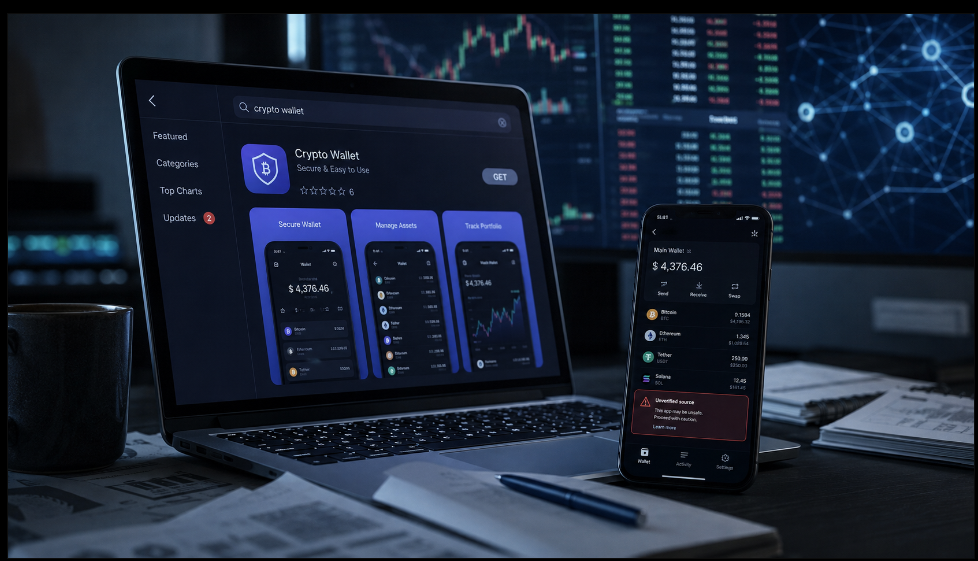
Fake wallet app: how scammers stole cryptocurrency from users
Analysis of a real case involving a fake wallet: how one app in the store led to the loss of hundreds of thousands of dollars.
Address poisoning: how copy-pasting from a wallet history cost a person $50 million.
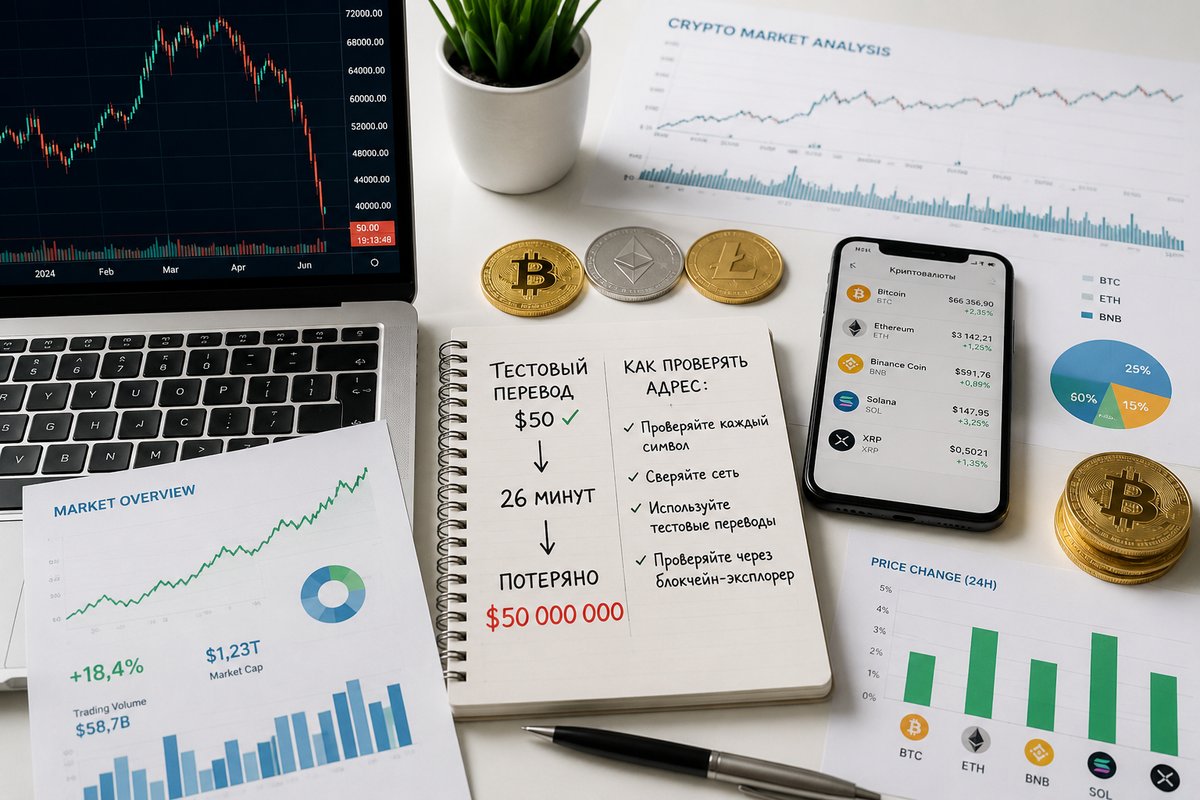
He did a test transfer of $50 — all according to security protocols. Within 26 minutes, he lost 50 million. A breakdown of a real case and how to verify an address.